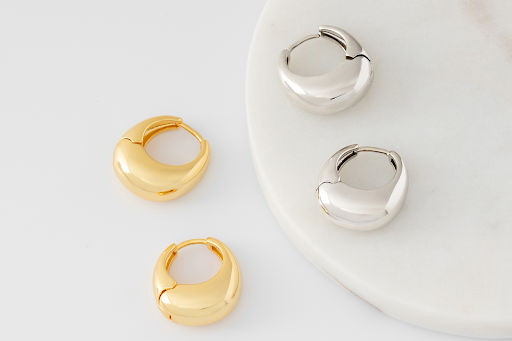

Gold vs. silver jewelry is one of the most frequently asked questions when selecting jewelry. As a retailer, figuring out what your customers will swoon over, or as a customer searching for that perfect addition to your collection, choosing gold or silver is not simply an aesthetic decision.
It is a question of style, durability, and, most definitely, your wallet. Both metals are attractive in their way, and the knowledge of the prominent distinctions will allow you to make the right choice.
House of Jewellery is a well-known, reliable partner for retailers in North America, which has been providing outstanding jewelry solutions since 1986. We’re here to guide you through the options of sterling silver vs gold and how the two options can work to improve your style and your bottom line.
Gold vs Silver Jewelry: The Basics You Should Know
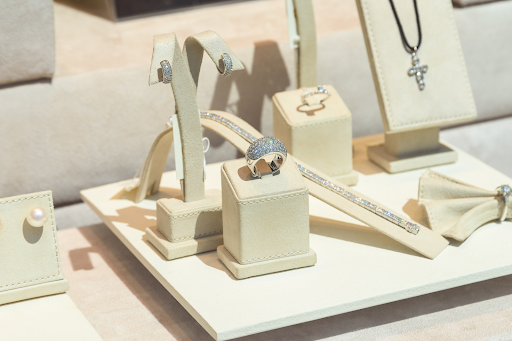
Before diving into the details of sterling silver vs gold, it’s essential to understand the foundational qualities of both metals.
- Gold: Especially in forms like 10K, 14K, 18K, and 24K, has been cherished for centuries. Its rich color and enduring appeal make it a top choice for luxury jewelry. 14K white gold in particular is highly sought after for its elegance and durable finish, often used in fine rings, pendants, and earrings.
- Sterling Silver: Offers elegance at a more affordable price point. Made from 92.5% pure silver mixed with other metals, typically copper, sterling silver offers a high-gloss finish and is frequently rhodium-plated for extra durability.
At House of Jewellery, we offer an impressive range of sterling silver collections, perfect for boutique owners looking to diversify their offerings while keeping costs manageable. Both gold and silver have their place in the jewelry world, and understanding their differences is key to selecting the right pieces for you or your customers. Check out our extensive catalogue.
Is Gold or Silver Better? Exploring Their Individual Benefits
When asked, “Is gold or silver better?” it’s important to weigh both metals’ advantages based on individual needs.
- Gold: Gold’s appeal lies in its luxury and timeless value. It is the go-to metal for high-end pieces, including wedding bands, engagement rings, and statement necklaces. Gold jewelry is ideal for those seeking investment pieces, as it holds its value and requires minimal maintenance.
- Silver: Sterling silver, while more affordable than gold, doesn’t fall short when it comes to versatility and beauty. For retailers, it’s an opportunity to offer a range of high-quality, trendy pieces without breaking the bank.
House of Jewellery has a fantastic selection of sterling silver rings, pendants, and necklaces, all crafted with exceptional attention to detail and durability. Ultimately, both metals are superb, but whether gold or silver is better depends on your preferences, style goals, and budget.
Choosing the Right Metal: Gold vs Silver Skin Tone
It’s not just about price, it’s about how jewelry complements your skin tone. The answer to gold vs silver skin tone can help determine which metal flatters you best.
- Warm Skin Tones: If you have a warm undertone with golden or peachy hues, gold jewelry is your perfect match. Gold enhances the warmth of your skin, adding a luxurious glow.
- Cool Skin Tones: For cool undertones, where your skin may appear pink or blue, silver jewelry is the ideal choice. Silver adds a sleek, clean contrast that pairs beautifully with cool undertones.
- Neutral Skin Tones: If you have a mix of both warm and cool undertones, both metals will suit you wonderfully. In fact, mixing gold and silver is a great way to elevate your look.
Sterling Silver vs Gold: Durability and Maintenance
Durability and ease of maintenance are important factors when choosing jewelry. Let’s look at sterling silver vs gold in terms of their wearability. At House of Jewellery, our sterling silver pieces come with finishing options that prevent tarnishing, making them easy to care for.
- Gold: 14K and 18K gold are more durable than pure gold due to their alloying with other metals. Gold doesn’t tarnish, making it easy to maintain. It does require the occasional cleaning to restore its luster, but its ability to resist corrosion is one of its most attractive features.
- Silver: Sterling silver is more prone to tarnishing because it reacts with sulfur in the air, causing a dulling effect over time. However, it’s still an excellent choice for jewelry, especially for pieces like bracelets and rings, which can be easily polished to restore their shine.
While gold is more resistant to tarnish and typically requires less maintenance, sterling silver can be easily maintained with regular cleaning, making it an ideal choice for those seeking value and convenience.
Explore our comprehensive care guide to ensure your jewelry stays as beautiful as the day you first wore it.
White Gold and Silver: A Closer Comparison
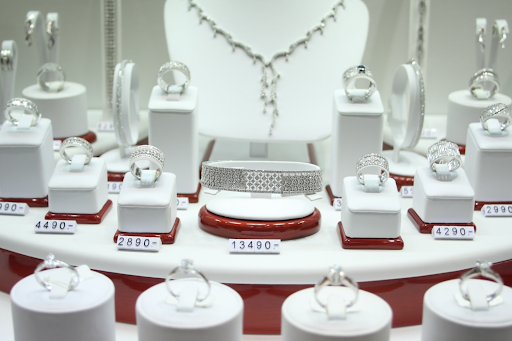
For many customers, the decision comes down to white gold and silver. Both offer a sleek, modern look, but their differences are worth considering:
- White Gold: White gold is an alloy of gold that has been mixed with other metals like palladium, nickel, and rhodium. The result is a durable, brilliant white finish. It is commonly used in luxury pieces like engagement rings and wedding bands, and its price reflects its higher composition and superior longevity.
- Sterling Silver: While sterling silver offers a similar white finish, it is much more affordable than white gold. However, sterling silver may require more frequent polishing due to tarnishing, unlike white gold, which doesn’t tarnish in the same way.
At House of Jewellery, we offer a wide range of both white gold and silver options, giving retailers flexibility when catering to customers who may be deciding between the two metals.
Sterling Silver vs 14K White Gold: Which Is Better for Retailers?
For retailers, the decision between sterling silver vs 14K white gold depends on customer needs.
- 14K White Gold: The luxury appeal of 14K white gold makes it an excellent option for high-end customers. With its durability and timeless appeal, it’s ideal for fine jewelry collections and engagement rings.
- Sterling Silver: Sterling silver offers excellent margins and a more budget-friendly price point, allowing you to offer a wide variety of stylish pieces to your customers. It’s versatile and trendy, perfect for fashion-forward designs and everyday wear.
So, Which is Better—Gold or Silver Jewelry?
Ultimately, the choice between gold vs silver jewelry comes down to personal preference, budget, and style. Gold is timeless, luxurious, and holds lasting value, making it the ideal choice for investment pieces. Sterling silver, while more affordable, offers exceptional value without sacrificing elegance and is perfect for a versatile jewelry collection.
At House of Jewellery, we understand the importance of offering both metals to your customers. Whether you’re looking for luxurious gold to make a statement or affordable sterling silver to expand your collection, we provide a wide range of high-quality, customizable pieces tailored to meet your needs.
Explore our extensive collections and find the perfect jewelry to suit your style, and remember—whether it’s gold or silver, House of Jewellery has you covered with unmatched quality and service.
FAQs
Is Silver or Gold More Expensive?
The cost difference between gold vs silver is significant. Gold is more expensive due to its rarity and the complicated processes involved in mining and refining it. Gold jewelry pieces are often considered an investment, which is why they hold value over time. Sterling silver, on the other hand, is much more affordable. This makes it the go-to choice for retailers looking to stock up on quality pieces without a significant upfront cost.
How Can I Tell the Quality of Gold Jewelry?
When it comes to gold jewelry, the quality is usually indicated by its karat (K) rating. The higher the karat, the purer the gold. For instance, 24K is 100% pure gold, while 18K is 75% gold and 14K is 58.3% gold. Make sure to check for hallmarks stamped on the jewelry that indicate the karat and authenticity. Also, ask your retailer for documentation if you’re looking for high-quality investment pieces.
Does Silver Jewelry Turn Green or Cause Allergies?
Sterling silver, when mixed with other metals like copper, can cause a greenish tint on the skin for some people, especially if the jewelry is exposed to moisture or chemicals like lotions. This occurs because of oxidation. However, rhodium-plated silver, which is common in fine jewelry, reduces the chances of discoloration. For those with sensitive skin, hypoallergenic options like nickel-free silver are also available.
Can I Wear Silver Jewelry in the Shower or Swimming?
While sterling silver is a durable metal, exposure to water—especially saltwater or chlorine—can cause it to tarnish more quickly. It’s best to remove silver jewelry before swimming or showering to ensure its longevity and shine. Gold, particularly higher karat gold, tends to resist tarnishing from water exposure better than silver.
How Do I Choose Between Sterling Silver and 14K White Gold for My Engagement Ring?
Choosing between sterling silver and 14K white gold for an engagement ring depends on your budget and long-term preferences. 14K white gold is much more durable, luxurious, and resistant to tarnishing, making it a great choice for a lifetime piece like an engagement ring. Sterling silver, though stunning and affordable, may require more maintenance and isn’t as long-lasting as white gold, which could be a consideration for a high-importance piece like this.